

Complex products, made obvious, from the inside out
I work with product teams past the 'what should we build' stage. I'm not here to execute your backlog. I'm here to find what's actually broken and fix that.
Research to live prototype
One person, one contact
 User Research
 Usability Testing
 Jobs to Be Done
 Information Architecture
 Design Sprints
 AI-first prototyping
 Design systems
 Design-to-code
 Claude Code
 Technical UX
 Tokens & accessibility
 React
React B2B SaaS
 Dev-led platforms
 Multi-role platforms
 Enterprise tools
 Admin & back-office
 Subscription commerce
 Climate tech
 Regulated workflows
Selected work
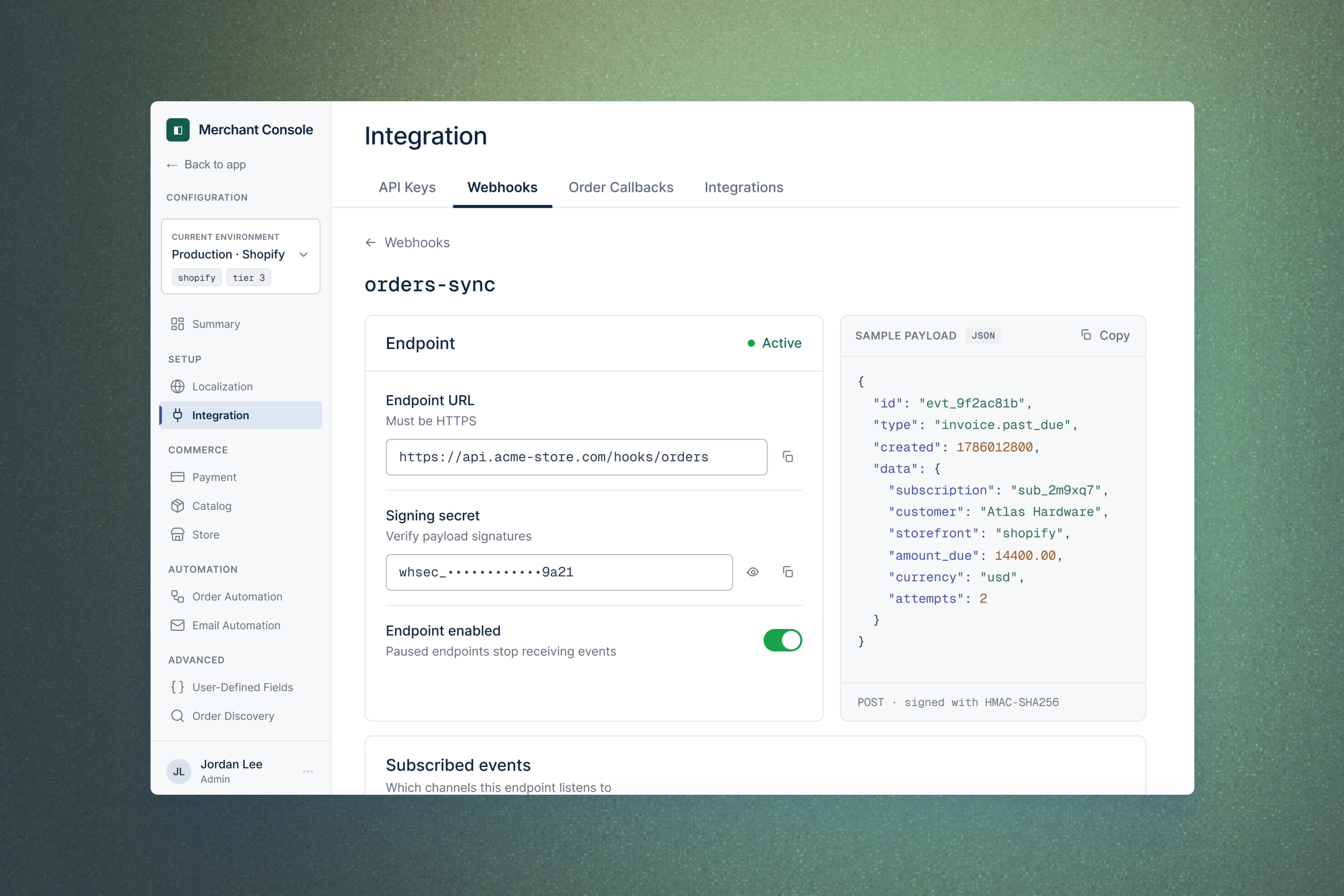
Merchant Console: Restructuring 1,000+ settings so merchants could self-serve
B2B subscription-commerce platform · Information architecture, three-layer permission model, design system
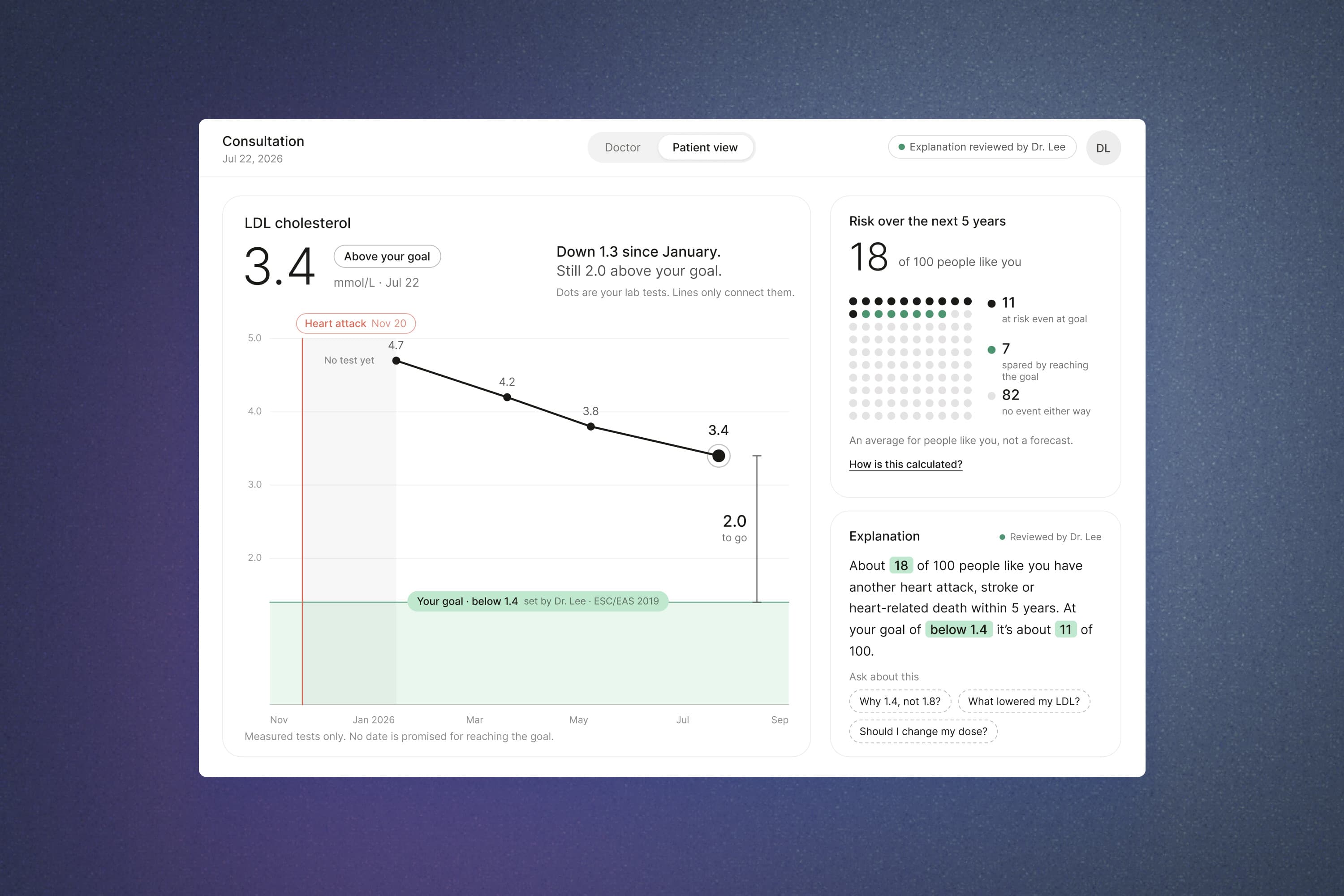
Cardio Risk Explainer: rethinking a doctor's risk dashboard for the AI era
Health tech (anonymised) · Data visualisation · AI trust patterns · Self-directed concept
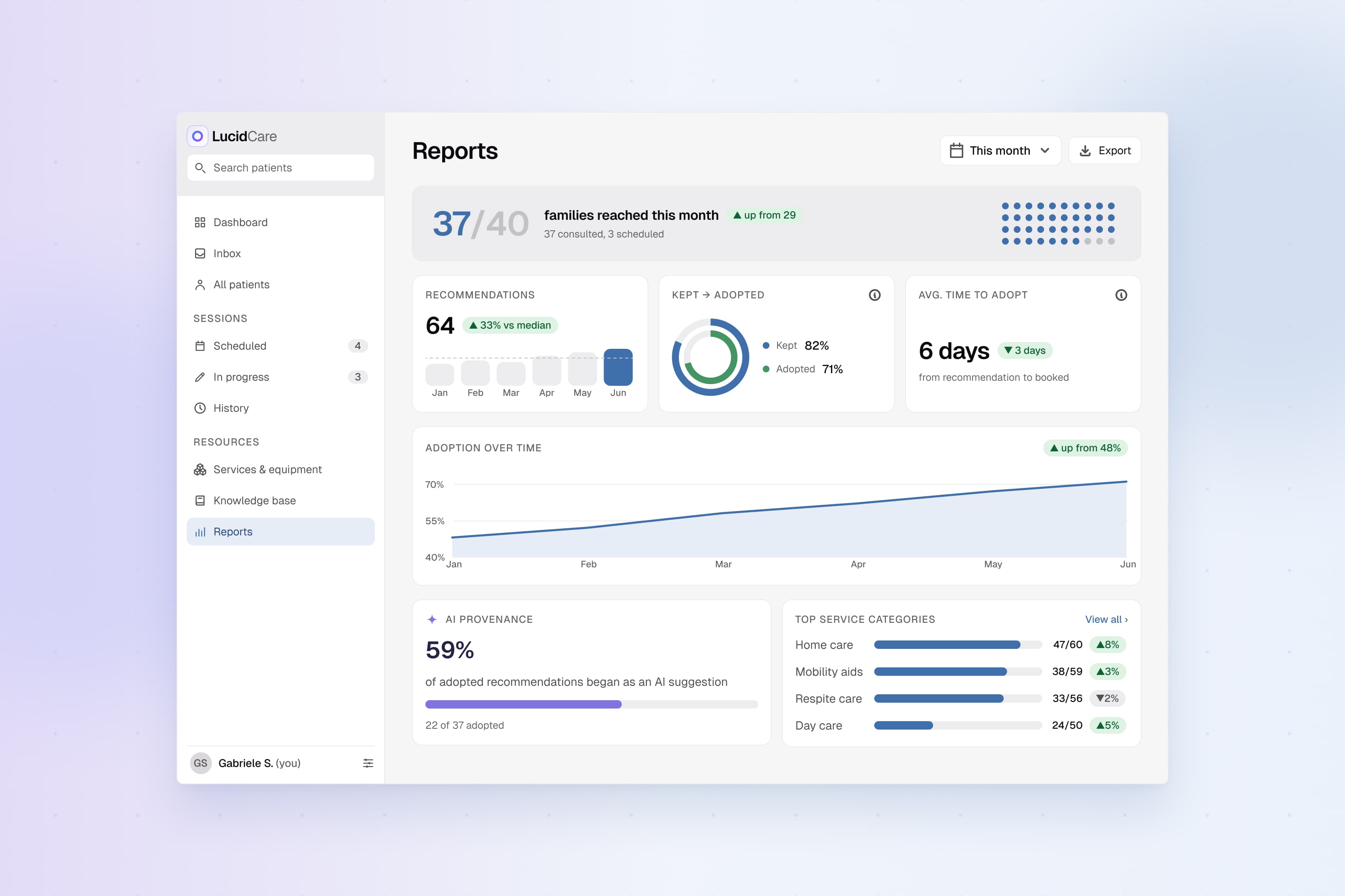
Lucid Care: How far can you orchestrate AI agents before they stop building your product?
eldercare advisory tool · Design, system architecture, agent orchestration · 2026
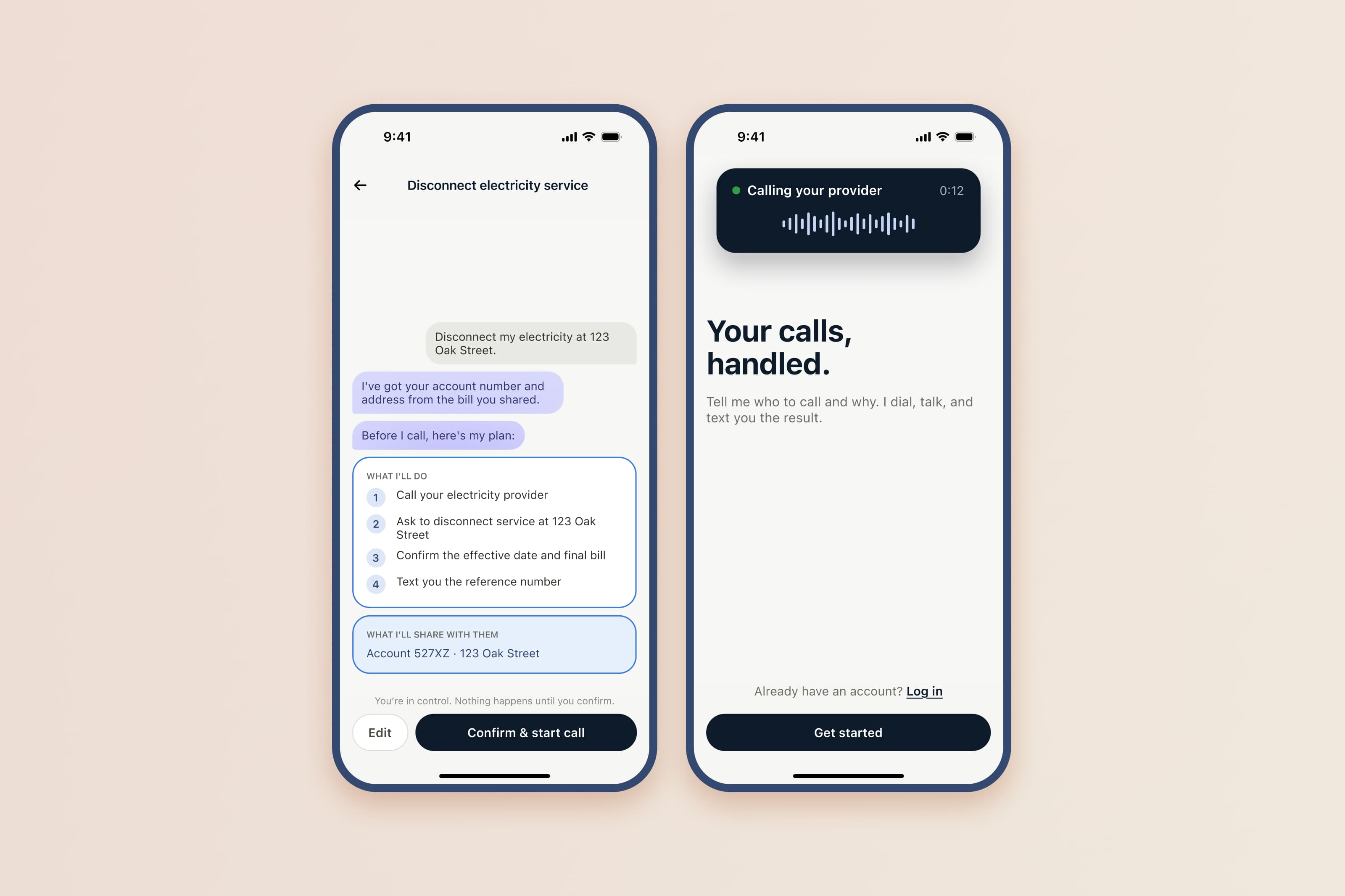
CallForMe: an AI that makes your phone calls, built so you never lose control of it
AI mediator app · Product design, system architecture, design system · Live on the App Store · 2025
Does this sound familiar?
The product works, but no one can explain why
You shipped fast and grew fast. Now onboarding is a 14-step monologue and the product feels like it was designed by six teams who never sat in the same room. Because it was.
“It does everything, that’s the problem.”
Everyone makes design decisions. No one owns them
Engineers wait. PMs improvise. Decisions land in Slack threads at 11 p.m. There’s no system, just a backlog of opinions and a standing plan to “fix it later.”
“We need design earlier, but we can’t justify a hire yet.”
You’re hiring designers, and not keeping them
Three juniors in two years. No one to set the bar, build the system, or make the calls that stick. Quality depends on who’s in the room that day; it shows.
“We need someone to be the senior in the room.”
Twelve years inside complex products. Still here
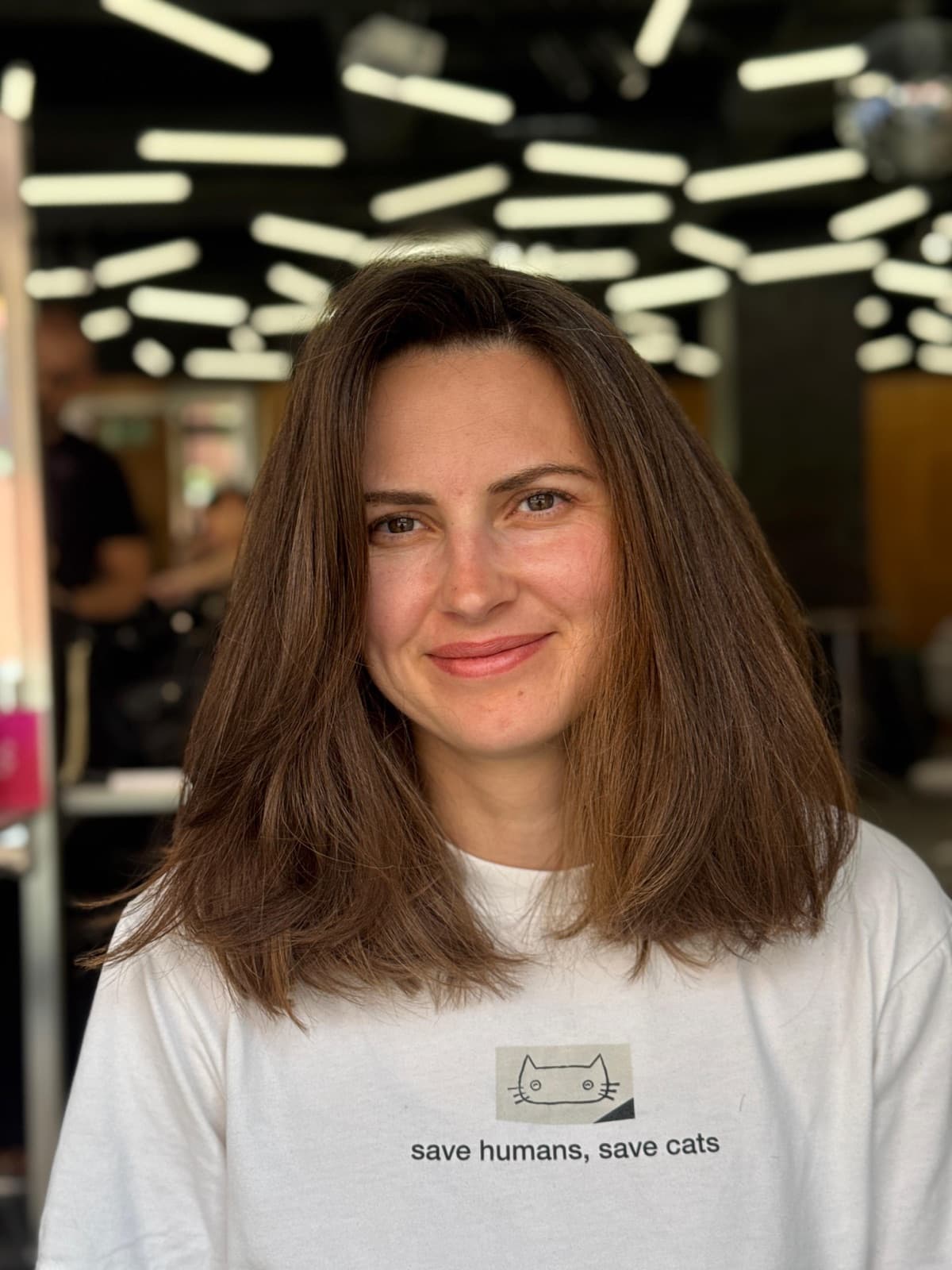
I've spent 12 years inside complex products: as a researcher, a designer, a CPO, and the person who gets called when the product team can't explain why the dashboard has nineteen tabs.
P&G, Colgate, Monotype, Yara, Walmart Canada and startups from Series A to C.
I've shipped research that stopped a premature product launch, design systems that removed the designer bottleneck, and IA restructures that cut support tickets in half. I like projects where the fix isn't obvious yet.
I think the best product design looks like nothing; like the product just happens to make sense. It's almost never an accident: making it look obvious is the hard part.